
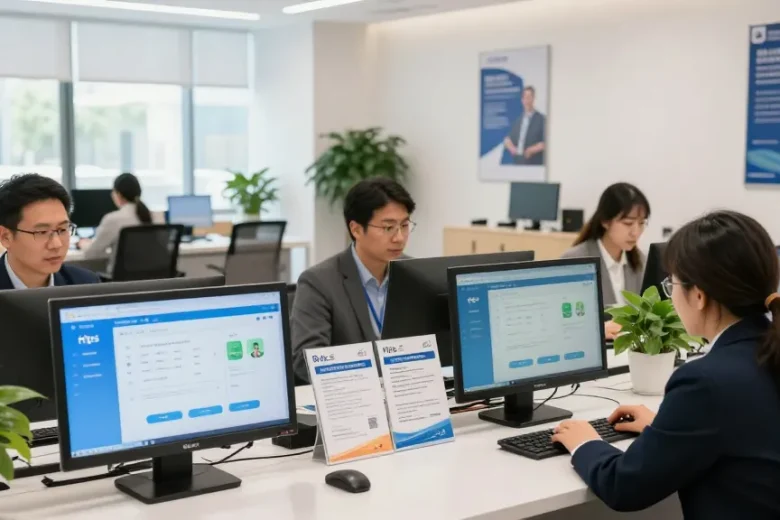
Understanding the rtps 4 Citizen Service Portal
The rtps 4 Citizen Service Portal is a pivotal initiative aimed at enhancing the accessibility and efficiency of government services for citizens. This digital platform serves as a one-stop solution for users to access a variety of public services online. By integrating technology with governance, the portal streamlines processes, reduces paperwork, and improves citizen engagement. For those interested in exploring this innovative platform, the rtps 4 citizen service portal epitomizes the shift towards a more interconnected public service framework.
What is the rtps 4 Citizen Service Portal?
The rtps 4 Citizen Service Portal is designed to provide government services in a simplified form. It allows citizens to apply for various documents, file complaints, and access information seamlessly. The portal is an embodiment of e-governance that promotes transparency and accountability in public administration. Citizens no longer need to visit different government offices, wait in long queues, or face bureaucratic hurdles. Instead, they can perform multiple tasks from the comfort of their homes or on the go, thanks to the mobile-friendly interface.
Key Features of the Portal
- User-Friendly Interface: The portal is designed with an intuitive layout that enhances navigation.
- Online Applications: Citizens can submit applications for various services directly through the portal.
- Real-Time Tracking: Users have the ability to track the status of their applications in real-time.
- Multilingual Support: The portal accommodates users from diverse linguistic backgrounds, ensuring inclusivity.
- Feedback Mechanism: Citizens can provide feedback to improve services and user experience.
Benefits for Citizens and Government
The rtps 4 Citizen Service Portal offers numerous benefits for both citizens and the government. For citizens, it dramatically reduces the time and effort involved in accessing services. It fosters a more engaged citizenry by providing instant resources and information. On the other hand, for the government, it alleviates the burden on administrative resources and enhances transparency. By digitizing services, the government can allocate resources more efficiently and focus on improving service quality.
Historical Context: The Development of Citizen Service Portals
Understanding the evolution of citizen service portals provides insight into their significance in modern governance. The rise of the digital age has spurred governments worldwide to embrace technology, resulting in the development of platforms like rtps 4.
The Rise of Digital Governance
The digital governance movement began in the late 1990s, with governments recognizing the potential of the internet to improve communication and service delivery. As technology evolved, so did the capacity of governance platforms. Early initiatives focused on basic web presence and information dissemination, but the focus soon shifted towards interactive services and online transactions.
Key Milestones in the Evolution of RTPS
The initiative to establish the rtps 4 Citizen Service Portal came in response to the growing demand for transparency and efficiency in government operations. Key milestones include the introduction of online payment systems for service applications, the implementation of secure citizen authentication protocols, and the expansion of services available through the portal. Each of these developments has set a benchmark for other governments and reinforced the commitment to digital transformation.
Comparative Analysis with Global Examples
Globally, several countries have set standards in digital governance. For instance, Estonia is renowned for its e-Residency program, which allows global citizens to establish businesses online. Similarly, Singapore has integrated its services through the MyInfo system, offering citizens a personalized platform for managing their data. Comparing these models with the rtps 4 portal reveals opportunities for improvement and adaptation to local contexts.
Challenges and Limitations in Implementation
Despite the numerous benefits, implementing the rtps 4 Citizen Service Portal is not without challenges. Identifying and addressing these barriers is crucial for enhancing the platform’s effectiveness.
Technical and Infrastructure Barriers
One of the primary challenges lies in the technical and infrastructural aspects of the portal. Many regions may lack the necessary internet connectivity or technological resources to access the services offered. Additionally, the government must ensure that the platform is robust and capable of handling high traffic volumes, particularly during peak application periods.
User Accessibility Issues
User accessibility remains a significant concern. While the portal aims to be inclusive, some citizens—especially the elderly or technologically challenged—may struggle to navigate online systems. Providing adequate support and guidance is essential for fostering greater participation.
Common Misconceptions about Digital Service Portals
Many people harbor misconceptions about digital service portals, such as the belief that they are reserved for tech-savvy users only. Educating the public on the accessibility and simplicity of these platforms can help alleviate fears and encourage broader usage.
Best Practices for Effective Use of the Portal
To maximize the potential of the rtps 4 Citizen Service Portal, stakeholders must adopt best practices that promote engagement and usability.
Strategies for Citizen Engagement
Effective citizen engagement strategies are vital for the success of the portal. Regular workshops and virtual training sessions can help users familiarize themselves with the platform. Utilizing social media can also enhance outreach, providing updates and facilitating communication.
Enhancing User Experience through Feedback
Implementing a robust feedback mechanism is essential for improving user experience. By actively soliciting input from users, the government can identify pain points and make necessary adjustments to the portal based on real user data.
Integration with Other Government Services
Seamless integration with other government services is crucial for efficiency. Ensuring that the portal connects with various departments can simplify processes for users and reduce redundancies, ultimately enhancing the overall service delivery experience.
Future Trends for the rtps 4 Citizen Service Portal by 2026
The future of the rtps 4 Citizen Service Portal looks bright as technology continues to advance. Below are anticipated trends that may shape its development leading up to 2026.
Emerging Technologies: AI and Big Data
Artificial intelligence (AI) and big data will play a pivotal role in enhancing the functionalities of the portal. AI can improve service delivery by predicting user needs and streamlining processes, while big data analytics can provide valuable insights into service usage patterns, enabling more tailored solutions.
Predicted Changes in User Behavior and Expectations
As digital literacy expands, users will likely expect more personalized and responsive services. The portal must adapt to these changing expectations by offering customized experiences that cater to individual needs.
Global Innovations in Digital Governance
Global trends in digital governance will continue to influence the evolution of the rtps 4 portal. Innovations such as blockchain for secure transactions and augmented reality for virtual assistance may be integrated, further enhancing the citizen engagement experience.