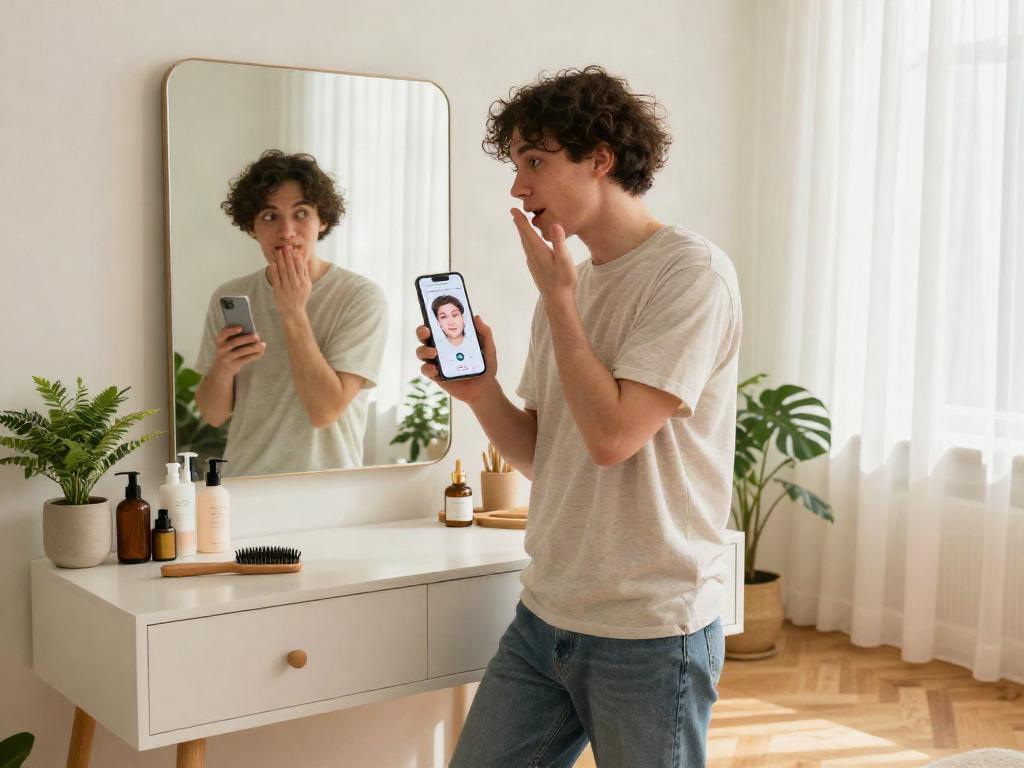
Understanding the Attractive Test
The concept of attractiveness is as old as humanity itself, deeply rooted in our perceptions, preferences, and societal influences. As various tools and technologies emerge, the quest for quantifying beauty has led to the development of the attractive test. This modern test leverages artificial intelligence (AI) to analyze facial features, providing users with a numerical representation of their attractiveness based on specific criteria. By understanding how these tests work, we can unpack the underlying principles that contribute to our perceived beauty and the impact of technology on this age-old issue.
What is the Attractive Test?
The attractive test utilizes sophisticated algorithms to analyze facial features by measuring various attributes such as symmetry, proportion, and adherence to established beauty standards. Users are typically required to upload a clear photograph of their face, which is then assessed to generate a score that indicates their attractiveness level. This numerical score is often accompanied by feedback on what aspects of the user's facial structure contributed to the score, giving individuals insight into their appearance.
How Does AI Analyze Attractiveness?
AI technologies deploy complex models trained on massive datasets of human faces, enabling them to differentiate between various beauty markers. For instance, the algorithms often analyze:
- Facial Symmetry: Studies show that symmetrical faces are often deemed more attractive. AI evaluates how closely a face mirrors itself along a vertical axis.
- Proportions: The golden ratio, a principle often linked to beauty, guides the analysis of the relative proportions of facial features.
- Feature Alignment: Elements such as eye spacing, nose length, and jawline define attractiveness, and AI evaluates how well these features align with ideal averages.
The Science Behind Beauty Standards
Beauty standards are not uniform and can vary significantly across cultures and eras. Factors like ethnicity, regional preferences, and even media portrayal influence what is considered beautiful. The attractive test aims to simplify these complexities into a quantifiable score, but it raises important questions about the societal implications of such assessments. By relying on AI, we must consider how these algorithms might inherently reflect existing biases or promote prevailing beauty ideals while marginalizing others.
How to Take Your Attractive Test
Participating in an attractive test can be a fun way to engage with beauty technology. However, achieving the most accurate score requires a few considerations regarding photo submission and understanding the scoring system.
Choosing the Right Photo for Submission
When selecting a photo for your attractive test, clarity and lighting are crucial. Aim for a well-lit picture with your face clearly visible and free from obstructions like sunglasses or hats. A frontal view typically works best as it allows the AI to accurately assess symmetry and features.
Tips for Optimizing Your Selfie
To maximize your chances of receiving a favorable score, consider the following tips:
- Good Lighting: Natural light enhances your features and skin tone. Avoid harsh shadows.
- Neutral Expression: A relaxed, straightforward expression helps the AI evaluate your face without distortion from smiles or frowns.
- Background Choice: Use a simple, non-distracting background to keep the focus on your face.
Understanding the Scoring System
Typically, attractiveness scores are reported on a scale, often from 1 to 10 or 0 to 100. Factors influencing your score may include your facial symmetry, feature proportions, and overall facial composition. Some tools may also categorize results, assigning you to a specific attractiveness tier based on your score, thus enabling you to compare your results to general averages.
Common Misconceptions About Attractiveness
As technology continues to shape our perception of beauty, several misconceptions have arisen concerning attractiveness tests and their implications.
Beauty is Subjective: Debunking Myths
One commonly held belief is that attractiveness can be quantified definitively. While metrics may offer insights, the subjective nature of beauty means that what one person finds attractive may differ from another’s perspective. This variation highlights the limitations of any attractiveness test.
The Influence of Social Media on Perceptions
Social media platforms often amplify certain beauty standards, leading to skewed perceptions of attractiveness. Regular exposure to edited images can create unrealistic goals for individuals, which may affect their self-esteem and self-image, especially when compared to AI-generated scores.
Reassessing Beauty Standards in 2026
The understanding of beauty continues to evolve. In 2026, it's crucial to acknowledge that while technology provides valuable insights, it cannot capture the richer, more complex aspects of human beauty, which encompasses personality, charisma, and other intangible qualities. Fostering a diverse range of standards is essential to promote a healthier society that celebrates individuality.
Improving Your Attractiveness Score
For those seeking to enhance their attractiveness scores, various strategies can be employed, emphasizing skincare, makeup, and confidence.
Skincare Routines for Radiance
A well-considered skincare regimen can dramatically improve your skin's health and appearance. Focus on:
- Hydration: Keeping your skin moisturized is essential for a healthy glow.
- Sunscreen Use: Protecting your skin from UV damage prevents premature aging.
- Regular Cleansing: Maintaining clean skin helps manage blemishes and promotes an even tone.
Makeup and Styling Tips to Enhance Features
Makeup can be an effective tool to highlight your best features. Consider the following:
- Highlighting and Contouring: Use these techniques to emphasize bone structure.
- Choose Flattering Colors: Select colors that enhance your natural skin tone.
- Experiment with Styles: Different hairstyles can also influence your overall appearance, so explore various options.
Confidence and Its Role in Attractiveness
Ultimately, confidence plays a crucial role in how others perceive us. Engaging in activities that boost self-esteem, practicing positive affirmations, and focusing on personal growth can significantly enhance how you carry yourself and, in turn, your attractiveness score.
The Future of Beauty Technology
As beauty technology continues to advance, we can expect exciting developments that may redefine our understanding of attractiveness.
Emerging Trends in AI and Beauty
Upcoming innovations might include enhanced personalization in attractiveness assessments, providing tailored recommendations based on individual beauty profiles. Moreover, as AI learns from diverse datasets, it can offer more nuanced evaluations that celebrate a broader array of beauty types.
What to Expect from Attractiveness Tests in 2026
The future may see tests becoming more integrated with augmented reality (AR), allowing users to visualize changes in real-time based on suggested improvements. This fusion of technology could empower individuals to explore diverse beauty enhancements without committing to permanent changes.
Ethical Considerations in Beauty Technology
With advancements come responsibilities. Ethical considerations will be critical in ensuring that beauty technologies do not reinforce harmful stereotypes or biases. Developers will need to prioritize inclusivity and representational equity in algorithmic training to build systems that reflect a diverse array of beauty ideals.
What is an attractive test?
An attractive test is a contemporary tool that assesses an individual's attractiveness based on facial features through AI analysis, providing insights into beauty standards.
How can I improve my attractiveness score?
To enhance your score, focus on skincare, makeup techniques, and building confidence, all of which contribute positively to how you present yourself.
Are AI attractiveness tests accurate?
While AI tools offer a fascinating glimpse into beauty metrics, their accuracy can vary based on algorithm design and input quality. They should be viewed as one of many perspectives on attractiveness.
Can the attractive test influence self-esteem?
Yes, receiving a score can impact self-esteem, positively or negatively. It's crucial for users to approach results with a balanced perspective, recognizing their multifaceted nature.
What factors are considered in an attractiveness test?
Attractiveness tests consider various factors, including facial symmetry, feature proportion, and overall composition, to determine scores.