
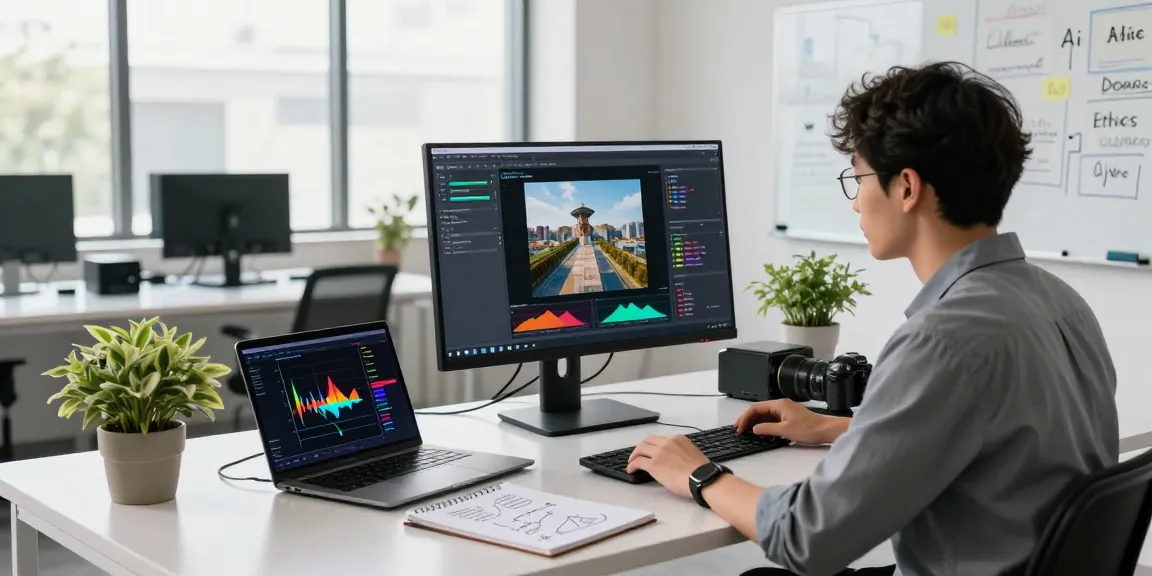
Understanding AI Image Detection Technology
As the digital landscape continues to evolve, the challenge of verifying image authenticity becomes increasingly important. With the rise of artificial intelligence (AI), determining whether an image was created by a human or a machine is no longer a trivial matter. An ai image detector provides a powerful solution for this problem, enabling users to effectively discern between real and AI-generated images.
What is an AI Image Detector?
An AI image detector is a sophisticated tool designed to analyze visual content and determine its origin. By leveraging advanced machine learning algorithms, these detectors assess various characteristics of images, such as patterns, artifacts, and metadata, to draw conclusions about their authenticity. This technology is particularly valuable in an era where image manipulation and AI generation are commonplace.
How Does AI Image Detection Work?
The core of AI image detection involves analyzing the unique attributes of an image. When an image is uploaded to an AI image detector, the system undergoes a multi-step process that includes:
- Pattern Recognition: The detector identifies specific patterns that are typical of AI-generated images, such as inconsistencies in textures and details.
- Artifact Detection: AI-generated images often exhibit artifacts that can indicate synthetic origins, such as unnatural gradients or unusual blurring.
- Metadata Analysis: Metadata embedded in an image can provide clues about its creation process, revealing whether it was manipulated or generated by AI.
This combination of techniques enables the AI image detector to deliver a probability score, indicating the likelihood that an image is AI-generated.
Benefits of Using AI for Image Analysis
Utilizing AI for image analysis offers numerous advantages, including:
- Speed: AI detectors can analyze images in seconds, providing immediate insights.
- Scalability: These tools can handle large volumes of images, making them ideal for platforms dealing with user-generated content.
- Increased Accuracy: Advanced algorithms continuously learn from new data, enhancing their detection capabilities over time.
Key Features of an Advanced AI Image Detector
Supported Image Formats for Detection
For optimal versatility, advanced AI image detectors support a wide range of image formats. Common formats include:
- JPEG
- PNG
- WebP
- GIF
This flexibility allows users to upload images without worrying about compatibility issues, facilitating a seamless user experience.
Accuracy and Reliability Metrics
The effectiveness of an AI image detector is often measured by its accuracy. High-quality detectors provide detailed results that include probability scores and confidence levels. Users can trust these metrics to make informed decisions regarding an image’s authenticity. Continuous updates and improvements to algorithms also contribute to enhanced reliability over time.
User Experience: Quick and Easy Uploads
Modern AI image detectors prioritize user experience. Most platforms allow users to drag and drop images or paste URLs directly, eliminating the need for cumbersome sign-up processes. This ease of use is crucial for busy content creators and professionals seeking quick verification.
Practical Use Cases for AI Image Detection
Applications in Social Media and Content Creation
In the realm of social media, where visual content reigns supreme, AI image detectors serve as essential tools for content verification. Users can quickly assess whether images shared on various platforms are authentic or manipulated, helping to combat misinformation and uphold brand integrity.
Importance in Journalism and Fact-Checking
Journalists and fact-checkers rely heavily on AI image detection technology to maintain credibility and accuracy in their reporting. By verifying the authenticity of images, they can ensure that the visuals accompanying their articles accurately represent the truth, thus upholding journalistic standards.
Legal and Copyright Considerations
With the rise of digital content, legal implications regarding image ownership and copyright have become increasingly complex. AI image detectors help users confirm the origins of images, assisting in copyright claims and preventing potential legal disputes arising from unverified content usage.
Exploring Alternatives to AI Image Detection
Manual Verification Techniques
While AI image detectors offer significant advantages, manual verification methods still hold value. Techniques such as reverse image searches can help determine the source of an image, although they may not always provide conclusive results.
Comparative Analysis with Competitor Tools
When evaluating options for image detection, users should consider various tools available in the market. Comparing features, accuracy, and user experience across platforms can help identify the best solution for specific needs.
When to Choose AI Over Traditional Methods
AI image detection is particularly advantageous when speed and scalability are priorities. In high-volume environments, such as newsrooms or social media platforms, AI tools can process numerous images quickly, whereas manual methods may be too time-consuming.
Future Trends in AI Image Detection for 2026 and Beyond
Emerging Technologies Enhancing Detection Accuracy
The future of AI image detection is promising, with emerging technologies poised to enhance detection capabilities further. Developments in deep learning and computer vision are expected to result in even more sophisticated algorithms that can detect increasingly subtle manipulations.
Predicted Regulatory Changes Affecting AI Usage
As the use of AI technology grows, regulatory frameworks are also evolving. Areas such as data privacy, intellectual property, and ethical considerations will likely shape how AI image detectors operate in the future, providing both challenges and opportunities for innovation.
Best Practices for Adaptation and Integration
For organizations looking to integrate AI image detection tools, it is essential to stay informed about the latest developments in the field. Educating teams on best practices for utilizing these tools effectively can increase their impact and help maintain content integrity.
How accurate is the AI image detection?
Accuracy levels of AI image detection tools can vary, but many boast scores above 90%. Continuous updates to algorithms and training on diverse datasets ensure that these tools remain reliable and effective.
Can I do more than 10 checks per hour?
Some platforms may set usage limits, but many advanced AI image detectors allow users to perform multiple checks per hour without restrictions, depending on service plans or subscription models.
Is the AI image detector free to use?
Most AI image detectors offer free versions with basic functionalities, allowing users to verify images without any financial commitment. For users requiring extensive features or higher volumes of checks, premium options are often available.